
See which resilience projects are ready for your capital.
Each project gets one standard record, the same for every reader, with its readiness run against your own criteria. Pass or fail checks come first, so a strong rating can't hide a missing repayment source.
A 45-minute call to compare our checks with your screen. No capital commitment.
 In pilot with RISE in Southwest Virginia.
- Status
- Prototype sample, not an issued rating
- Record ID
- RR-SWVA-0000
- Method
- v0.3 (prototype)
- Issued
- 2026-10-18
- Project
- Microgrid at a critical facility
- Screening
- Passed
- Obligor
- Project company
- Pledged source
- Energy services agreement with the facility owner (not signed)
- Supports the case
- Avoided outage savings
| Pillar | Score (0 to 100) |
|---|---|
| Need | 90 |
| Resilience value | 78 |
| Value captureWeakest point | 35 |
| Proof | 68 |
| Authority | 83 |
| Capital fit | 55 |
| Readiness, against example criteria | Grade |
|---|---|
| Grants | Ready |
| Private capital | Conditional |
| Project finance debt | Develop |
- Sign the energy services agreement.
- Confirm interconnection approval with the utility.
Every resilience project gets underwritten from scratch.
Capital partners have no standard record for a resilience project, and many projects are too small to carry the cost of a full review. Good projects stall while each lender rebuilds the same file.
- <$6B
- of the $67B in adaptation and resilience finance tracked in 2023 came from private sources.
- Climate Policy Initiative estimates, reported in GFANZ, Investing in Resilience (2026), p. 8
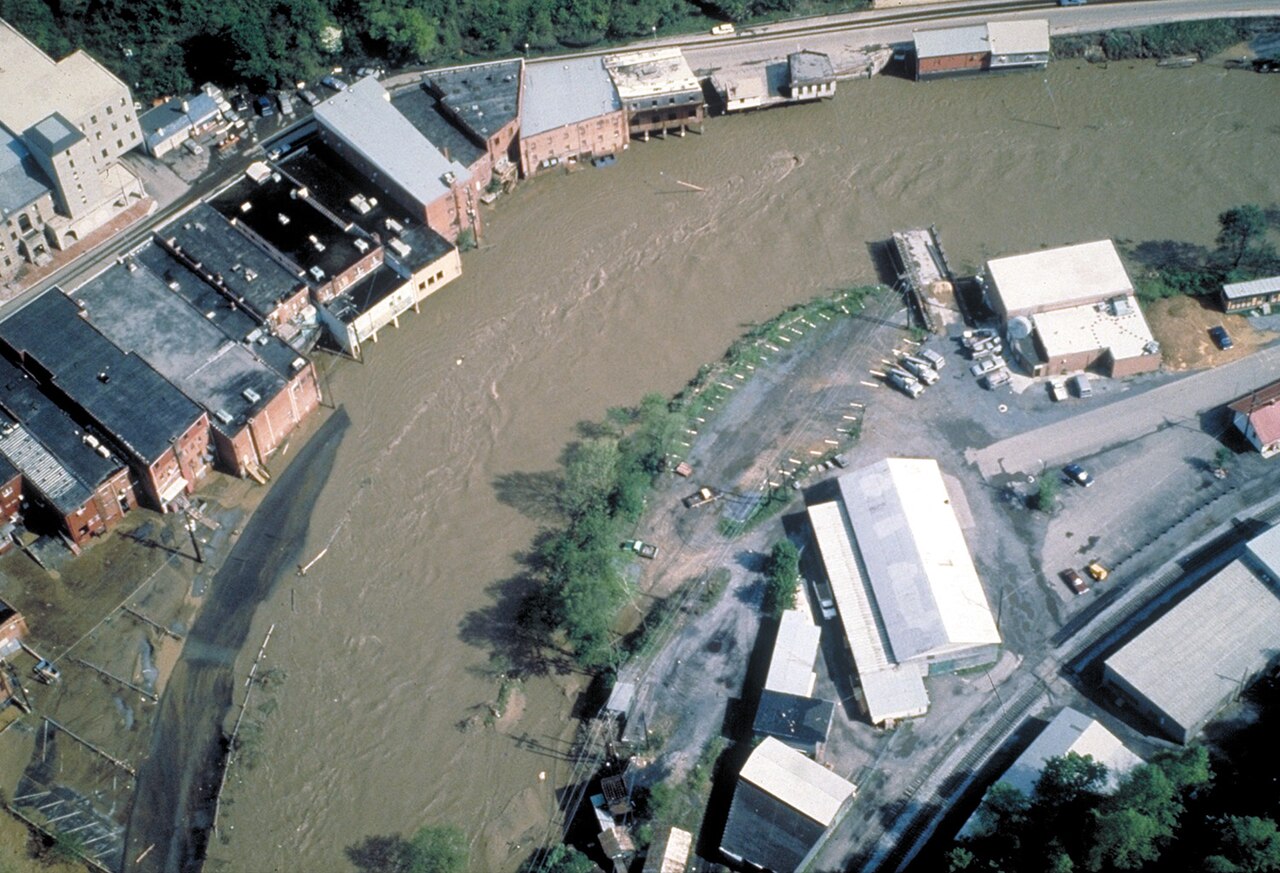
What every record contains
| One record, read against your criteria | Every reader sees the same checks and the same evidence. The readiness view is then run against the investment criteria of the capital partner reviewing it. |
|---|---|
| Repayment source and obligor | Who owes the money, which revenue is pledged, what backs it up, and whether each piece is in place yet. |
| The weakest point | The one gap that blocks the deal, so the sponsor knows what to fix first. |
| Open conditions | What still has to be true before close, as a short list. |
How a project is rated
Many resilience projects earn no revenue on their own, while local assets such as forests, wetlands and water systems do. We rate both and show where one can help pay for the other.
- 01Map the regionHazards, value at risk and the funding available today, watershed by watershed.
- 02Sort each entryA resilience project, a local revenue asset that can help pay for one, or both. An entry that is neither stops here.
- 03Screen, then ratePass or fail checks on the sponsor, site, data and safeguards come first, and linked assets are checked for stacking with grant funds. Any overlap is flagged on the record. A project that fails a check stops, however strong it looks elsewhere.
- 04Match to capitalThe readiness view is run against the reviewing partner's criteria for each kind of capital.
Carbon credits and environmental assets
We are extending the method to the asset side of a project: forest carbon, stream and wetland mitigation credits, and the natural assets behind them. We rate credit revenue as a repayment source: whether it is contracted, at what price and volume, and the delivery risk. Contracted credit sales count toward repayment. Uncontracted credit revenue is shown separately as upside.
Each credit stream is checked against its registry or state program for stacking with grant funds and for double counting. We do not rate credit quality. Where a third-party credit rating exists, the record cites it.
| Pillar | What it checks |
|---|---|
| Need | The hazard, and how exposed the place is. |
| Resilience value | Losses avoided and services kept running. |
| Value capture | Who can pay, and from what revenue. |
| Proof | Evidence the project holds up when the hazard hits. |
| Authority | Who can legally build, own and pay for it. |
| Capital fit | Whether each part of the deal matches the capital partner's stated terms. |
The pillars follow the Resilience Finance Guidebook for Local Governments (Duke University Nicholas Institute and ICLEI USA, 2026). Zero Circle is not affiliated with either.
Readiness by kind of capital
The same record is graded separately for each kind of capital, against the reviewing partner's criteria. The example below matches the sample record. The scoring model is a prototype: we are still calibrating it and analyzing pilot data.
| Capital | Early | Develop | Conditional | Ready |
|---|---|---|---|---|
| Grants | Ready | |||
| Private capital | Conditional | |||
| Project finance debt | Develop |
Built for diligence
- Traceability
- Each indicator in a record lists its source and date.
- Structure level
- USACE National Structure Inventory, sponsor documents and local observations. The FEMA National Risk Index adds county context.
- Undocumented claims
- A sponsor's claim with no document behind it counts for less.
- Review
- A Zero Circle analyst reviews every automated extraction before it enters a record.
- Changes
- Deal work never changes a rating. Only new project data does, and every change is logged on the record.
The record draws on the data pipeline, source tracing and review workflow we built for energy project underwriting.
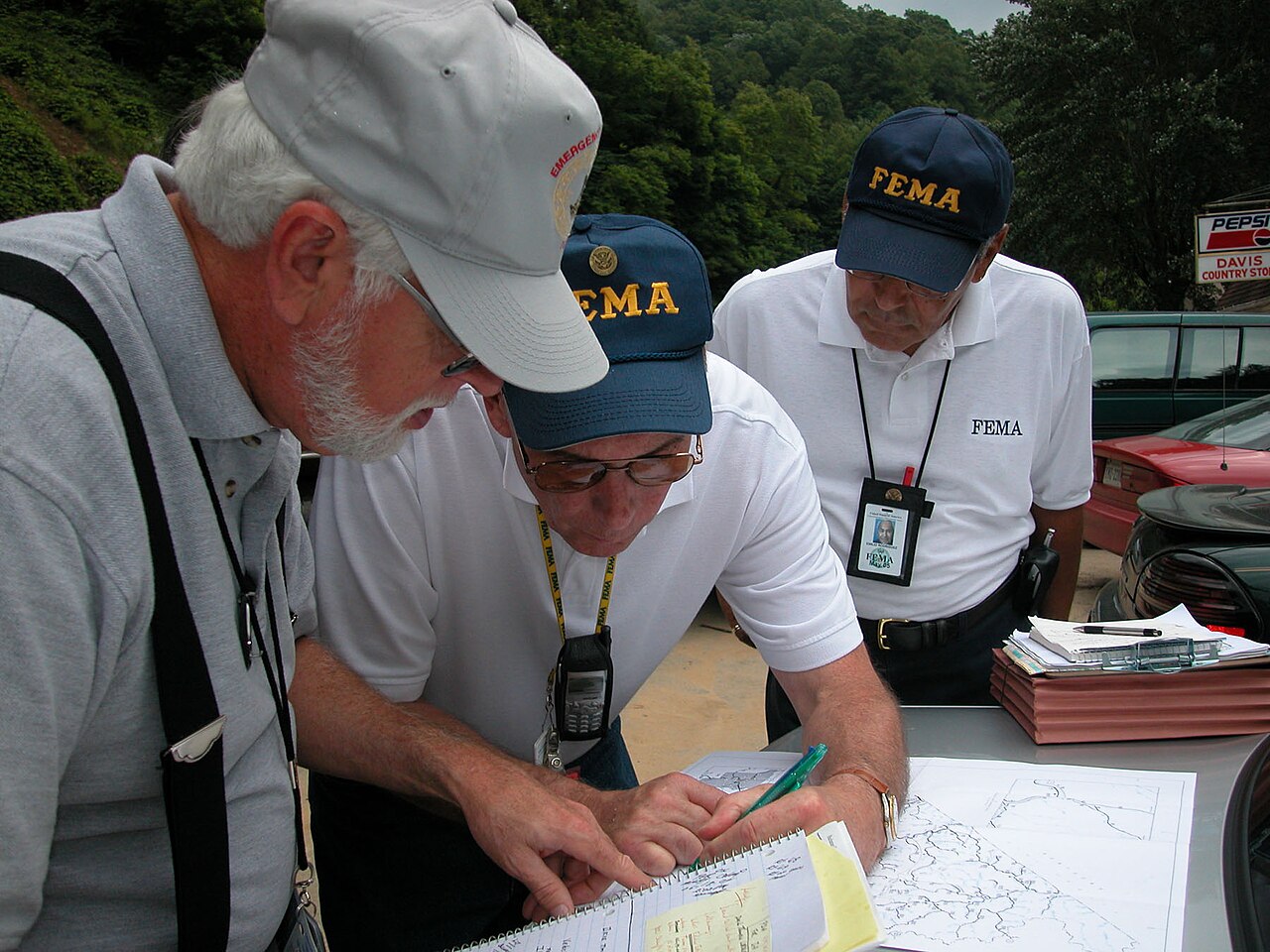
Rating resilience projects for financing in Southwest Virginia.
In pilot with RISE.
From rating to funded project
Zero Circle works across the full project finance lifecycle, so resilience investment can grow beyond grants.
| 01 | Rate | One standard record for each project and revenue asset. |
|---|---|---|
| 02 | Match | Rated projects are listed on our platform for capital partners to review. |
| 03 | Structure | If the sponsor asks, our project finance team works on the private and project-level capital stack alongside the sponsor's own advisors and counsel. |
| 04 | Govern | After close, we track reporting on the project's expected community impact and benefits. |
Help shape the rating
We are looking for a small group of capital partners to compare our checks with how they screen resilience projects today. Pilot partners see the full criteria and help decide what the diligence needs to prove.
Questions capital partners ask
- Is this a credit rating?
- No. It is a readiness rating for a project, used alongside your own diligence. It is not a credit rating from a registered agency, and the credit decision stays with you.
- Whose criteria does a project meet?
- Every reader sees the same record, with the same checks and evidence. The readiness view is run against the criteria of the capital partner reviewing it.
- How does Zero Circle get paid?
- Sponsors pay a flat evaluation fee. If we later structure the deal, we charge a separate success fee at close. Neither fee depends on the rating, and deal work never changes it. If a rated project sells credits, Zero Circle can manage the sale. The record shows that with any fee, and it does not affect the rating.
- What do you rate?
- Public and community resilience projects, such as flood protection, water systems, grid and energy resilience and land restoration, along with revenue assets, such as contracts, forest carbon and mitigation credits, that can help pay for them.
- Can we see the full method?
- Yes. Pilot partners review the full criteria, including the screening checks, the six pillars and how each kind of capital is assessed.
- What does a pilot partner commit to?
- A 45-minute call to compare our checks with your own screen, and feedback as the criteria develop. There is no capital commitment.